Introduction
In the current AI-enabled quantitative trading ecosystem, a mature and practical quantitative system is no longer a standalone tool. Instead, it involves AI models responsible for the top-level architecture and logic development, while OpenClaw handles local implementation, operation scheduling, and full-process execution. Together, they efficiently build a complete quantitative trading ecosystem.
AI Model: The Central Brain of Quantitative System Development
The AI model serves as the core of the quantitative system’s development and logic design, mainly undertaking high-level tasks such as framework construction, strategy logic design, and technical planning.
1. Comprehensive Development of Underlying Architecture
It leads the core code writing of the entire quantitative system, database table structure design, and data storage logic planning, establishing a stable and compliant data foundation for massive market data storage, computation, and retrieval.
2. Custom Optimization of Trading Strategy Logic
It independently devises various short-term, swing, and trend trading strategies, designs strategy screening conditions, risk control rules, and profit-loss mechanisms, and builds a flexible strategy debugging module adaptable to different market conditions for backtesting.
3. In-depth Analysis of Big Data and Implementation
It deeply analyzes historical trading data across the market, extracts effective trading factors, and dissects the technical logic of various trading strategies, transforming conceptual ideas and practical strategies into standardized, executable, and backtestable programs.
4. Establishment of a Visual Data Analysis System
It designs visual output templates for profit-loss reports, monthly return charts, backtesting curves, and fund value trends, creating an intuitive data monitoring system for easy viewing of key indicators such as strategy win rates, profit-loss ratios, and maximum drawdowns.
5. Coordination of Backtesting and Live Trading
It integrates historical backtesting logic with live trading rules, planning a comprehensive technical solution for market data integration, order placement, and position management, eliminating operational discrepancies like trading illusions and slippage between backtesting and live trading.
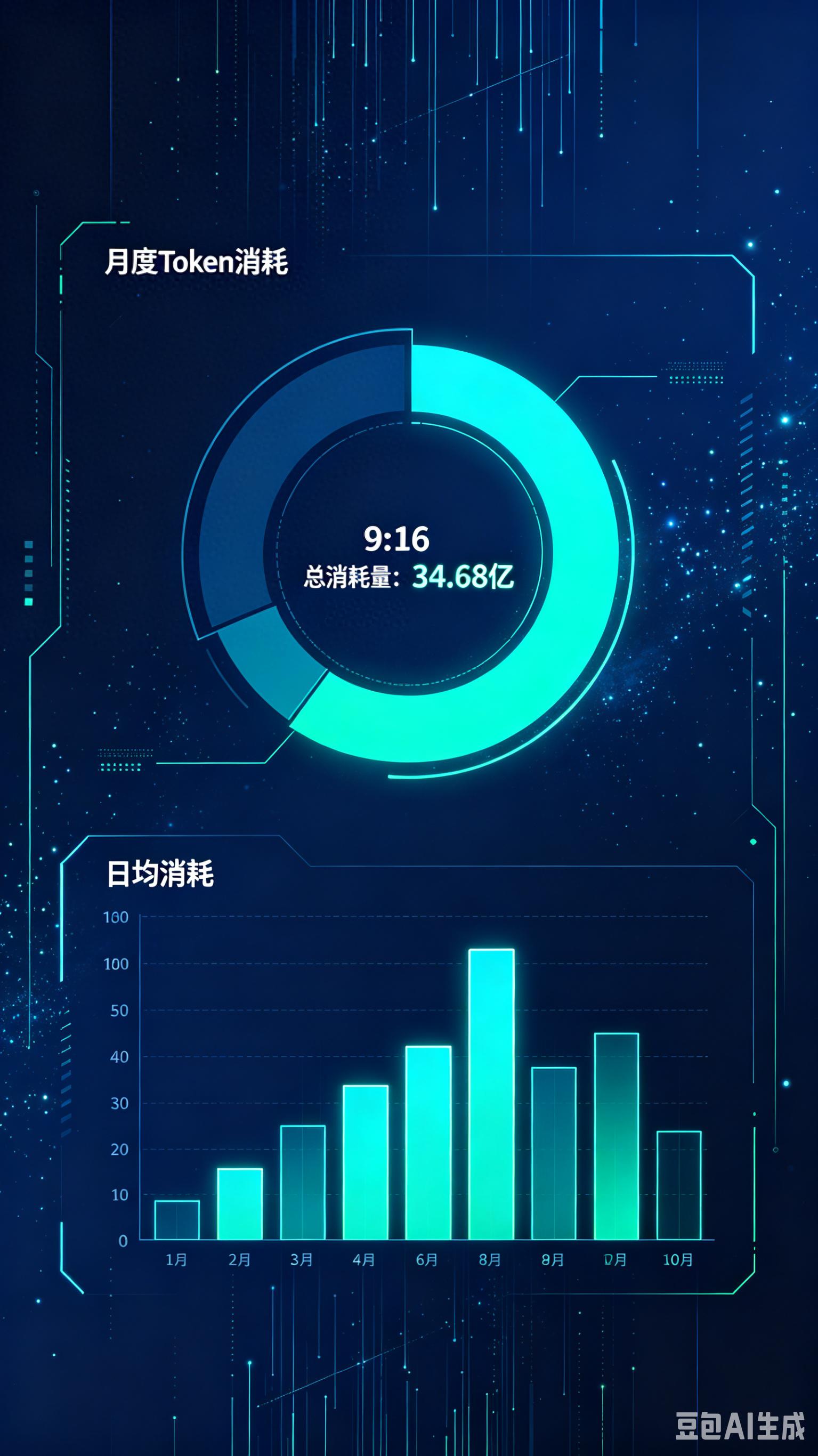
Key Feature: The AI model focuses on the initial development, architecture setup, and strategy logic design phases, which consume significant computational power and token resources. Once the quantitative system framework is stabilized, daily operations require minimal further calls to the AI model, greatly reducing long-term usage costs.
OpenClaw: The Local Execution and Operation Center
Once the AI model completes the top-level design and code output, all local operations, daily maintenance, live trading scheduling, and data updates are fully handled by OpenClaw, which is the core carrier for the long-term stable operation of the quantitative system.
1. Code Deployment and Full-Link Integration
It accurately receives natural language commands, integrates with the program code generated by the AI model, and automatically completes local script deployment and debugging. It independently manages daily database operations, front-end and back-end management, third-party market data source integration, and stable API interface connections for securities trading, achieving full-link connectivity.
2. Automated Task Scheduling
Leveraging its built-in heartbeat mechanism and scheduled task system, it automatically synchronizes daily incremental market data updates and completes market-wide data supplementation. It regularly conducts post-market quantitative reviews, strategy performance statistics, and market trend analyses while simultaneously optimizing strategy iterations and refining live trading signals.
3. Daily System Maintenance and Fault Repair
It is responsible for the daily operation maintenance of quantitative strategies, troubleshooting program vulnerabilities, correcting data anomalies, and adjusting trading rules, ensuring the system runs stably and silently 24/7 without the need for continuous human intervention.
4. Real-time Mobile Notifications
It automatically captures core information such as strategy trading signals, position changes, profit-loss data, extreme market alerts, and backtesting results, pushing notifications to mobile devices for offline monitoring of quantitative trading dynamics.
5. Independent Local Lightweight Computation
Once the system is established, it independently performs market computations, stock selection, condition filtering, and secondary verification of historical backtesting, operating efficiently without further resource consumption from the AI model.
Core Advantages of Their Collaborative Operation
1. Clear Division of Labor and Cost Efficiency
Initially, the AI model rapidly completes complex architectural development and strategy logic innovation, saving significant manual development time. Subsequently, OpenClaw operates independently, eliminating long-term token consumption and achieving low-cost, normalized quantitative trading operations.
2. Research and Investment Separation
The AI model focuses on strategy research, data review, and logic optimization, emphasizing deep strategy refinement. OpenClaw concentrates on live execution, data updates, and risk control implementation, eliminating subjective emotional interference and strictly adhering to quantitative trading discipline.
3. Flexibility and Easy Expansion
For future additions of trading strategies, adjustments to risk control rules, or optimization of backtesting conditions, simply provide textual instructions to the AI model for logic optimization, followed by one-click deployment by OpenClaw, facilitating easy expansion to accommodate different trading styles.
4. Enhanced Stability
Once the core framework is established, the entire system primarily operates through local programs, unaffected by fluctuations in the AI model interface or network restrictions, ensuring more stable and reliable market data retrieval, trading signal output, and live order placement.
Conclusion
In summary, the AI model acts as the “designer” of the quantitative trading system, responsible for building the framework, designing strategies, and planning logic from scratch. OpenClaw serves as the “executor and maintainer” of the quantitative system, responsible for system deployment, daily automated operations, live trading execution, and long-term stable maintenance, transitioning the system from initial development to normalized practical operation.
The strong collaboration between the two not only ensures the efficiency of AI-driven development but also provides the stability and cost advantages of local program operations, perfectly meeting the full-process needs of individual quantitative enthusiasts from strategy conception, big data backtesting, to fully automated live trading.
Comments
Discussion is powered by Giscus (GitHub Discussions). Add
repo,repoID,category, andcategoryIDunder[params.comments.giscus]inhugo.tomlusing the values from the Giscus setup tool.