OpenAI’s Secret Move: Chronicle
OpenAI has made a surprising move with the launch of Chronicle, a tool designed to remember everything on your computer. Unlike larger models or cheaper APIs, Chronicle monitors your screen 24/7 and retains a record of everything you do.
Launched on April 21, Chronicle is a research preview that aims to reduce the need for users to repeatedly provide background information while using Codex.
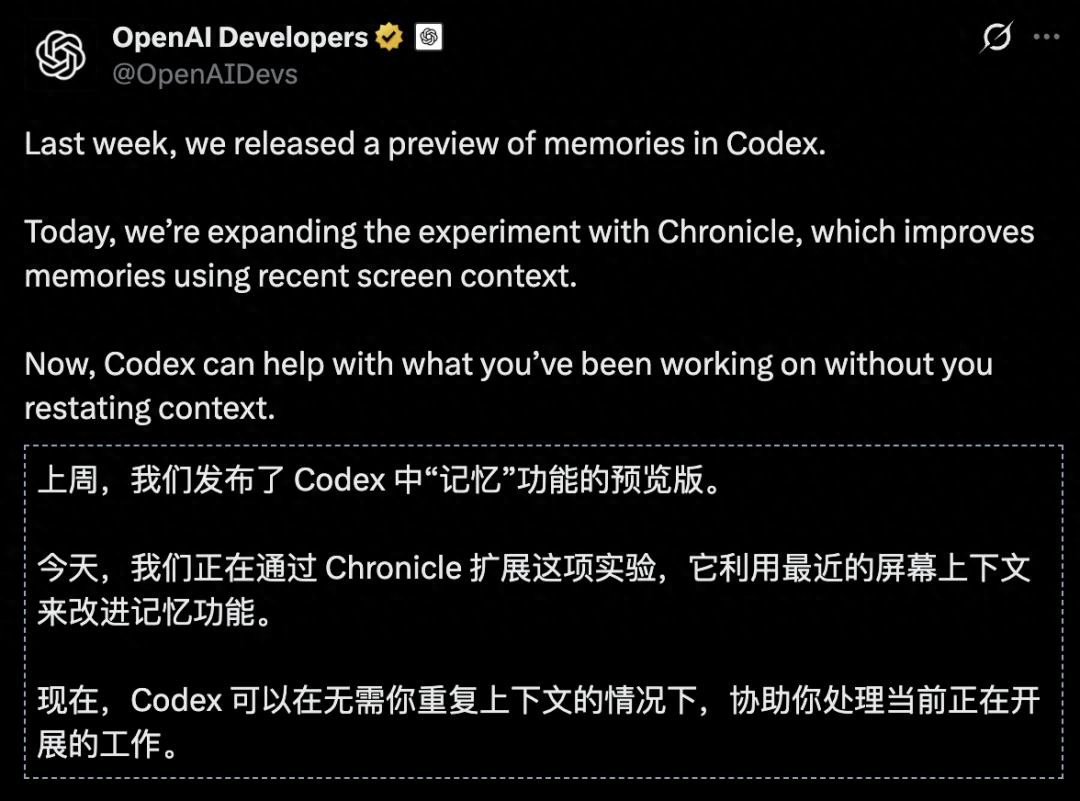
By leveraging recent screen context to optimize memory, Chronicle helps Codex understand context and identify the correct data sources. The internal codename for this project is “telepathy.”
A Second Brain on Your Computer
Chronicle operates quietly in the background, reading your screen content, opened files, web pages, and unfinished documents without asking for your input. It compiles these fragments into a “personal memory map.”
When you next ask it a question, it doesn’t need you to explain the context or provide code; it already knows what you mean. This allows Codex to understand references to tasks or documents you have worked on recently.
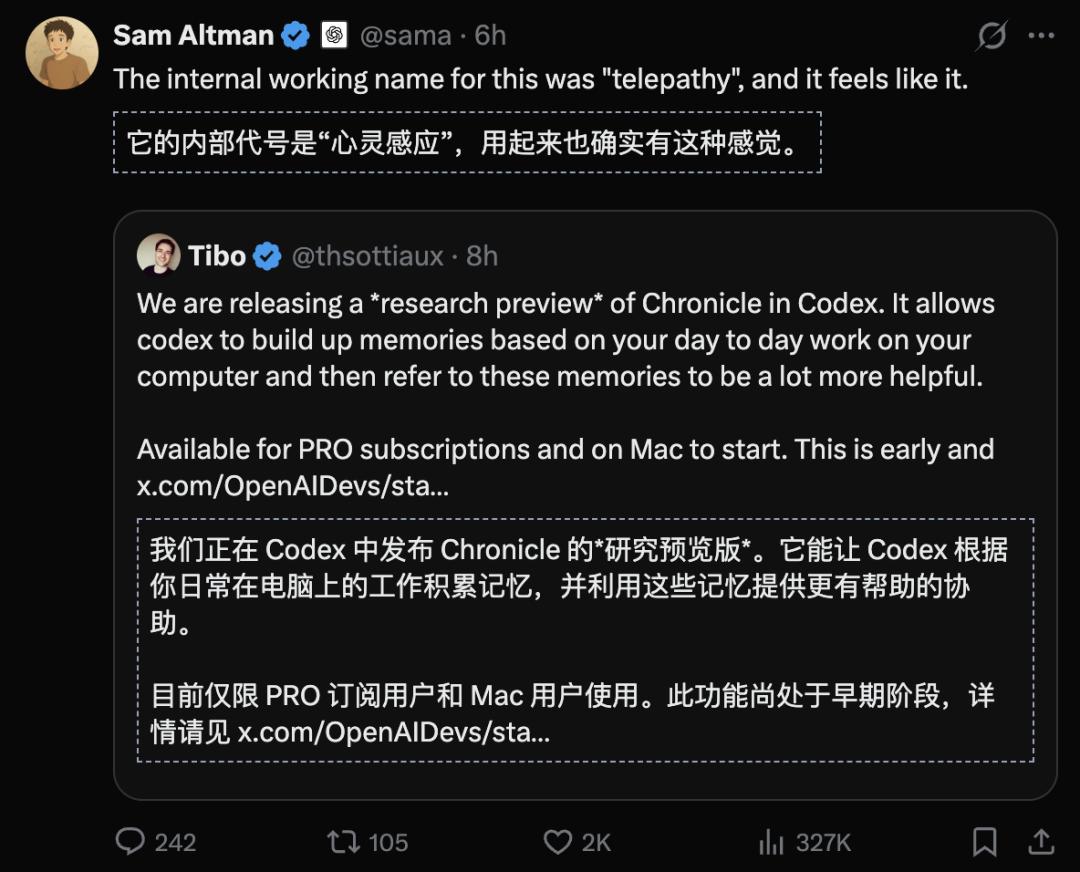
Over time, Chronicle helps Codex learn your working style, the tools you use, the projects you frequently engage in, and your workflow dependencies.
OpenAI’s president, Greg Brockman, described the experience as “surprisingly magical.”
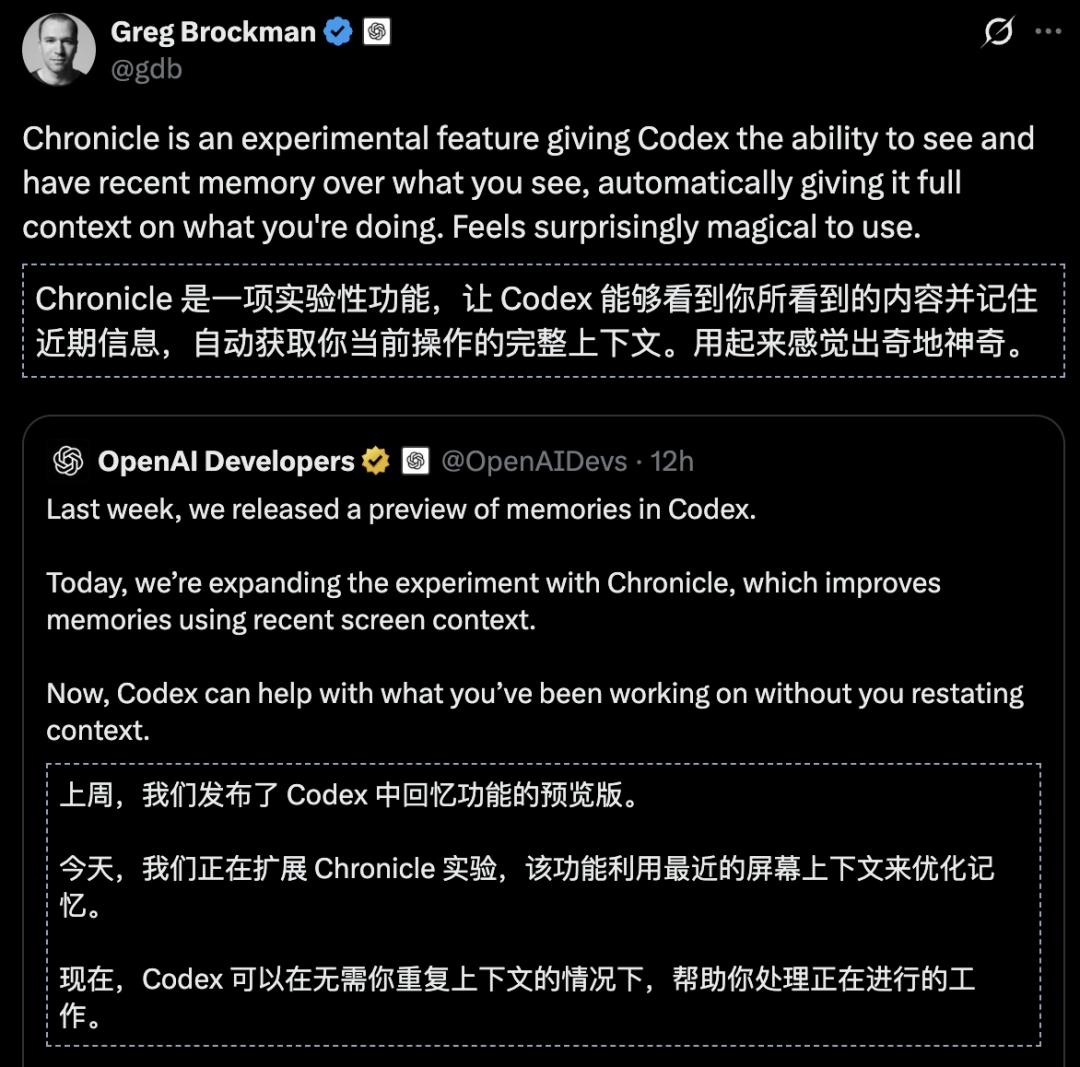
Chronicle addresses a significant limitation of AI assistants: the inability to retain memory across conversations. Unlike ChatGPT, which forgets user context, Chronicle retains information, enhancing its utility.
Token Consumption Machine
Currently, Chronicle is only available to Pro subscribers and is limited to Mac users. This restriction is due to its high token consumption rate.

Chronicle consumes significant computational resources as it reads your screen, compresses memories, and builds associative indexes in real-time.
When AI can “understand screens,” “remember habits,” and “operate across software,” it transforms from a passive chat interface into a powerful tool—your “second brain” and a gateway to the next generation of digital experiences.
While ChatGPT Pro costs $200 per month, the computational power required for Chronicle far exceeds this price. OpenAI appears to be trading losses for user habits, aiming to create an ecosystem that users cannot easily leave, similar to Amazon’s Prime strategy.
Privacy Concerns
As Chronicle’s capabilities grow, so do the controversies surrounding it. It has access to your code, emails, chat records, and every web page you visit.
OpenAI’s official documentation is vague, stating that data is “primarily processed locally” but that “some scenarios require cloud assistance.”
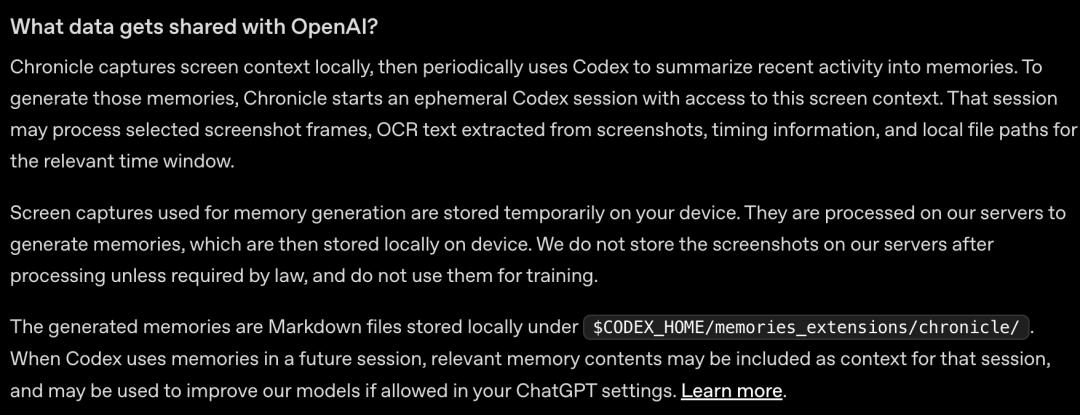
What scenarios? What proportion? How long is data stored? These questions remain unanswered.
Reports have surfaced indicating that OpenAI has not implemented a “local-first” privacy architecture. Not only do screenshots get uploaded to OpenAI’s servers for content recognition, but locally stored memories are also unencrypted.
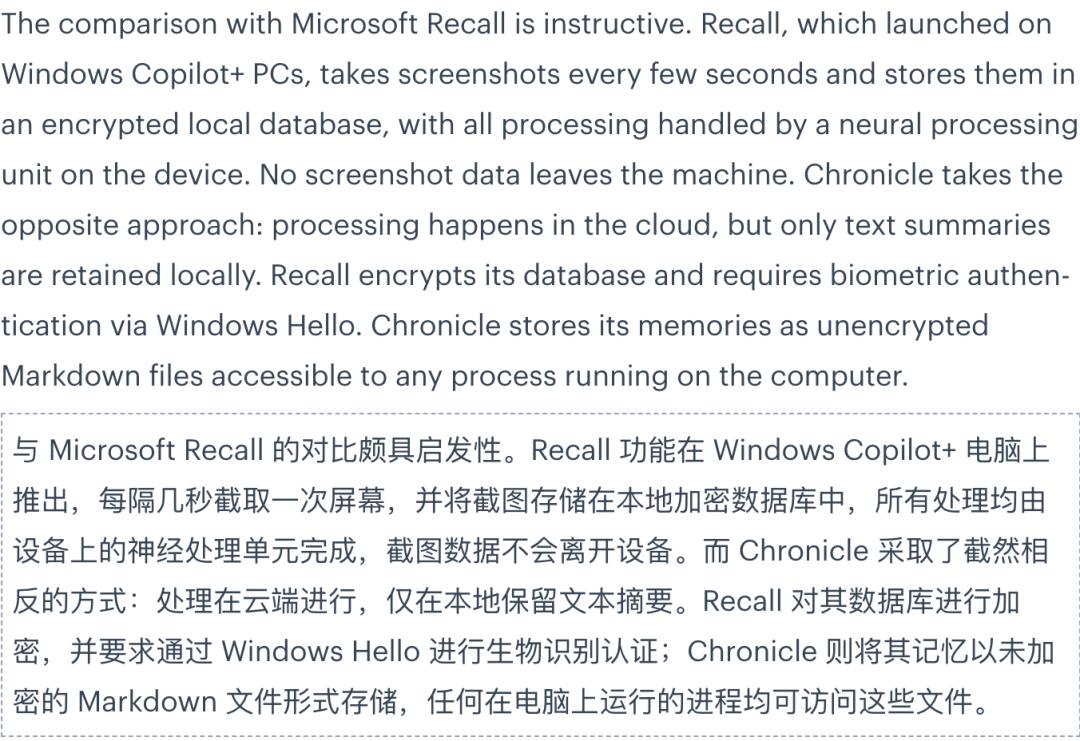
This means that anyone with physical access to your Mac could theoretically read your AI memory. Security researchers are particularly concerned about prompt injection attacks, where malicious commands hidden in web pages could be absorbed as “memories” and executed in future interactions.
OpenAI is aware of these risks, having avoided launching this feature in regions with stricter data privacy regulations like the EU, UK, and Switzerland.
The Real Battlefield: Memory
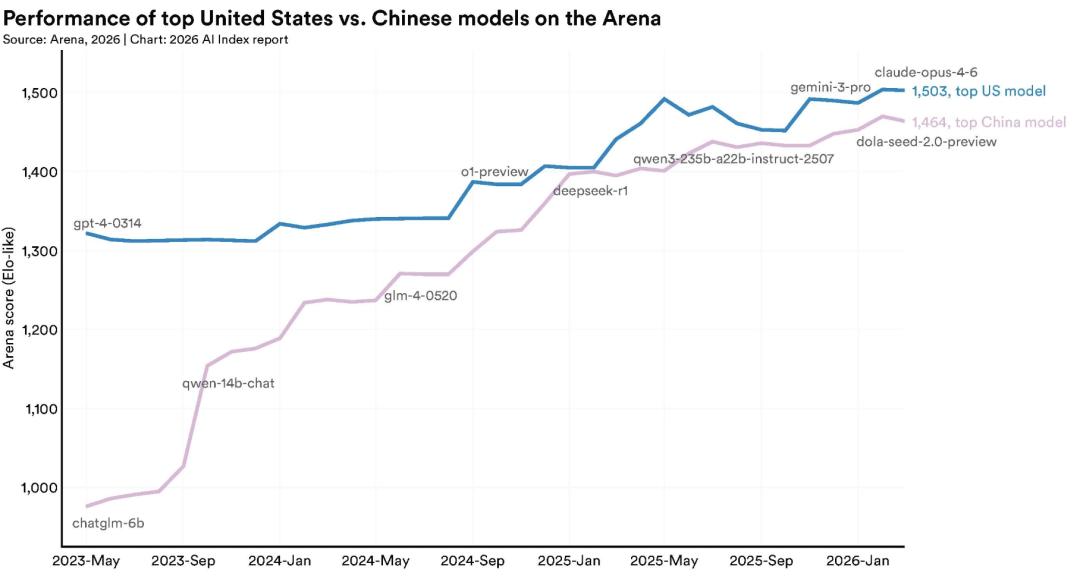
Looking back at the AI arms race over the past six months, a clear trend emerges: the gap in model capabilities is narrowing. With GPT, Claude, and Gemini competing closely, user experience is becoming increasingly similar.
The next competitive edge lies in who understands the user best. Google has your search history, emails, calendar, and location data. Apple has your device, health, and payment data. Microsoft has your Office documents, Teams chats, and GitHub code. OpenAI has none of this—only a chat window that resets every time you close it.
Chronicle offers OpenAI a breakthrough. Instead of relying on ecosystem monopolies or hardware bundling, it directly reads your screen to build a deeper understanding of users within 24 hours than any competitor.
This is not just product iteration; it is OpenAI’s first shot in the ultimate battle over user memory.
The Future of AI: A Shadow That Knows You Better
Imagine a scenario three years from now. You open your computer, and the AI already knows what papers you read last night, what reports are due this week, and the feedback your boss provided on your last proposal.
You won’t need to say a word; it has already organized your work plan for the day. You won’t need to search; it has compiled relevant materials for you. You won’t need to explain; it understands your tasks better than your colleagues.
Chronicle is the first step towards this future. The next form of AI is not a smarter chatbot but a digital shadow that knows you better than you know yourself. Whether this shadow becomes your assistant or your prison remains unanswered—perhaps it believes the time for that answer has not yet come.
Comments
Discussion is powered by Giscus (GitHub Discussions). Add
repo,repoID,category, andcategoryIDunder[params.comments.giscus]inhugo.tomlusing the values from the Giscus setup tool.