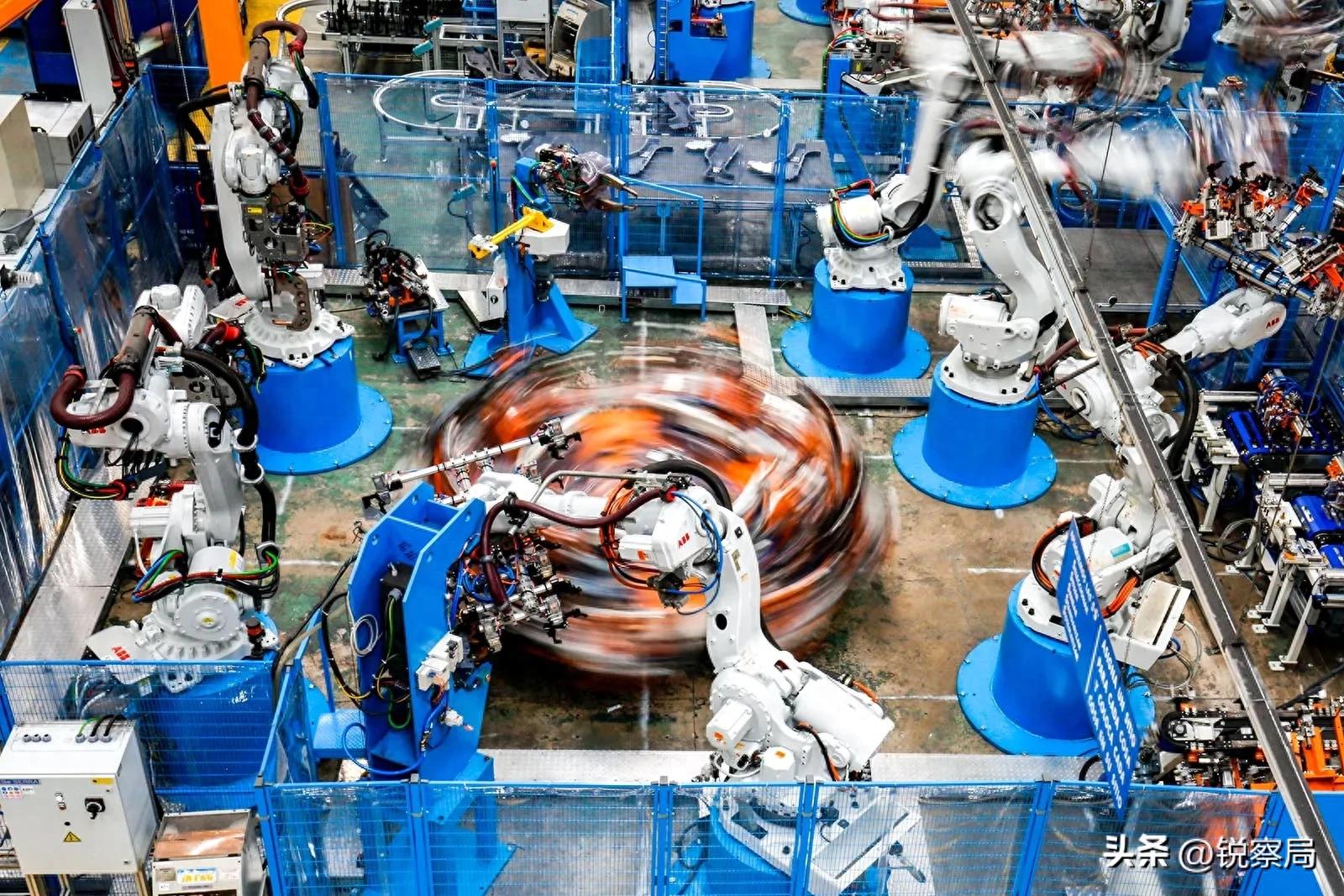
Artificial intelligence is rapidly evolving, permeating various industries such as manufacturing and services, fundamentally changing traditional production and employment models. Most ordinary people harbor deep employment anxieties as they witness an increasing number of smart devices and industrial robots replacing jobs previously done by humans. There is a growing concern that the work they engage in daily may one day be entirely replaced by AI, leading to potential unemployment.
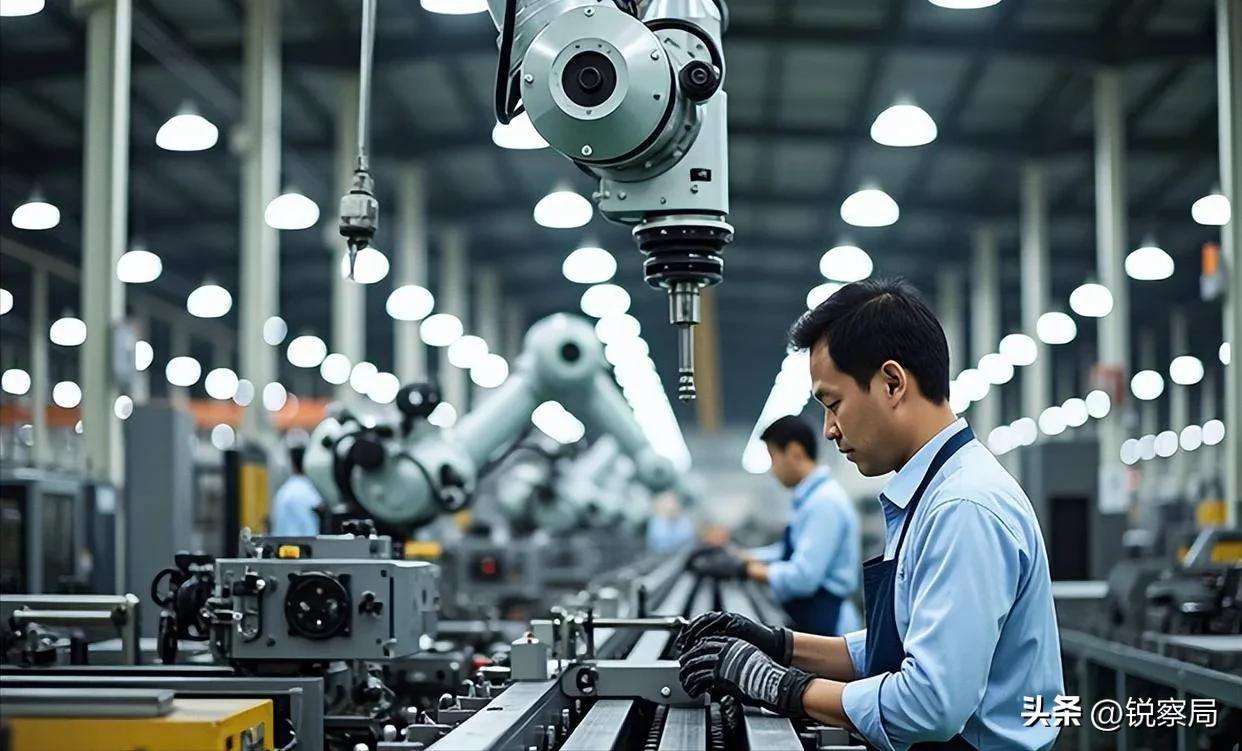
However, the real experiences of enterprises undergoing intelligent transformation show that AI does not lead to the complete disappearance of jobs but rather a comprehensive restructuring of employment models in society.
In the wave of intelligence, significant workforce reductions have become the norm in many industries. Companies must learn to properly respond to workforce changes brought about by job iterations, and employees need to proactively adapt to the development pace of the intelligent era to avoid being replaced by machines. This is a pressing issue that everyone should seriously contemplate.

Intelligent Transformation of Industries and Job Structure Adjustments
The implementation of intelligent production systems has dramatically changed the traditional labor model that relied heavily on human workers. The significant adjustment of workforce size is the most intuitive manifestation of industrial upgrading.
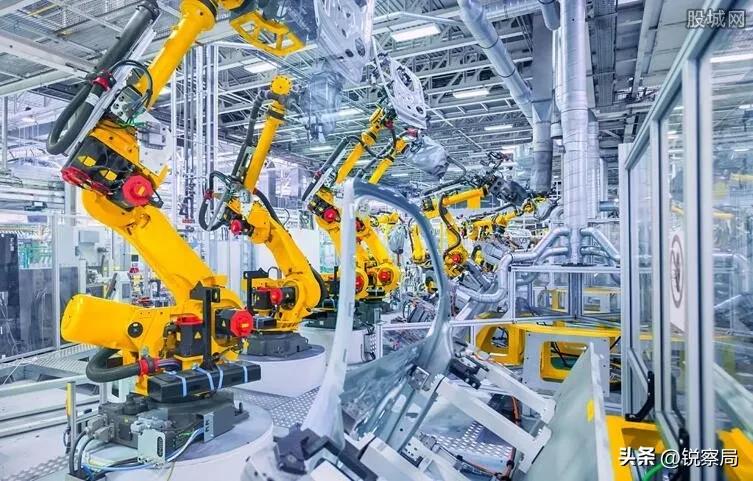
After companies complete comprehensive intelligent upgrades, introducing a full set of automated production equipment and building smart production lines, production efficiency increases exponentially. Complicated basic processes are handled by machines, allowing companies to retain only a few employees to support overall production operations, with output capacity and product precision far exceeding previous levels.
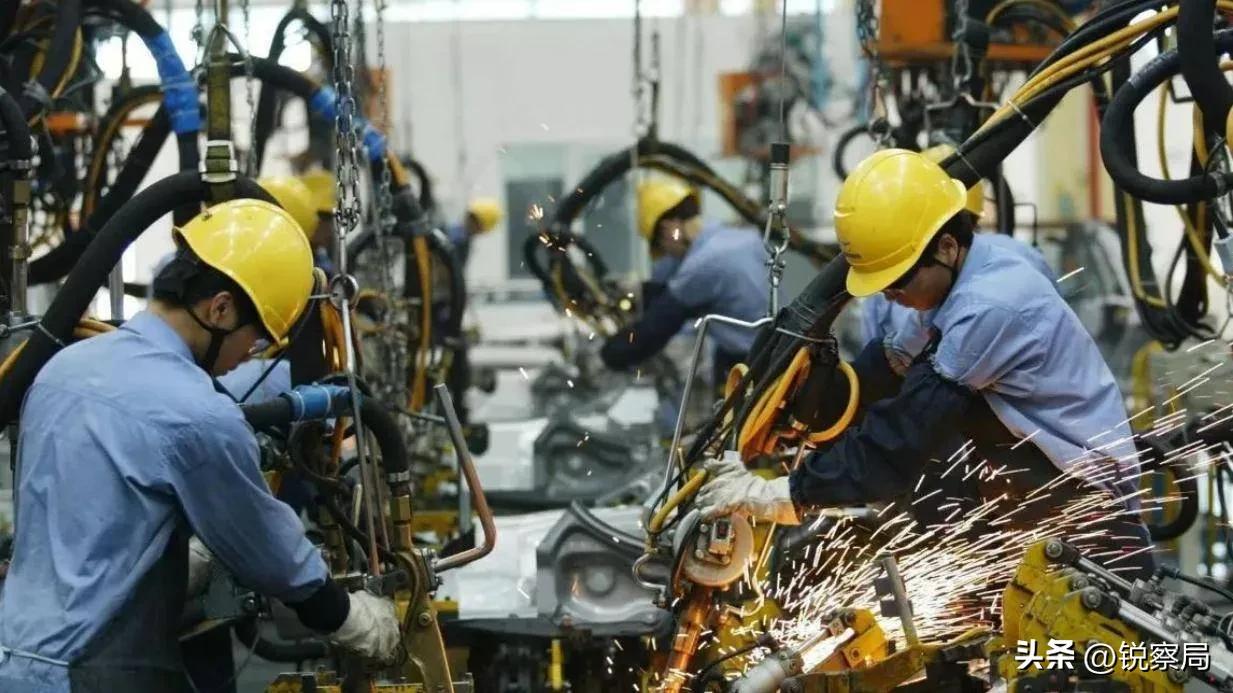
Such a drastic difference in workforce numbers has led many ordinary people and industry observers to firmly believe that AI and smart devices are massively taking away jobs from the public, exacerbating pressure in the employment market.
This significant reduction in workforce size is not a deliberate layoff by companies to cut costs but rather a reflection of the loss of demand for manual labor in basic repetitive jobs due to the advancement of the times.
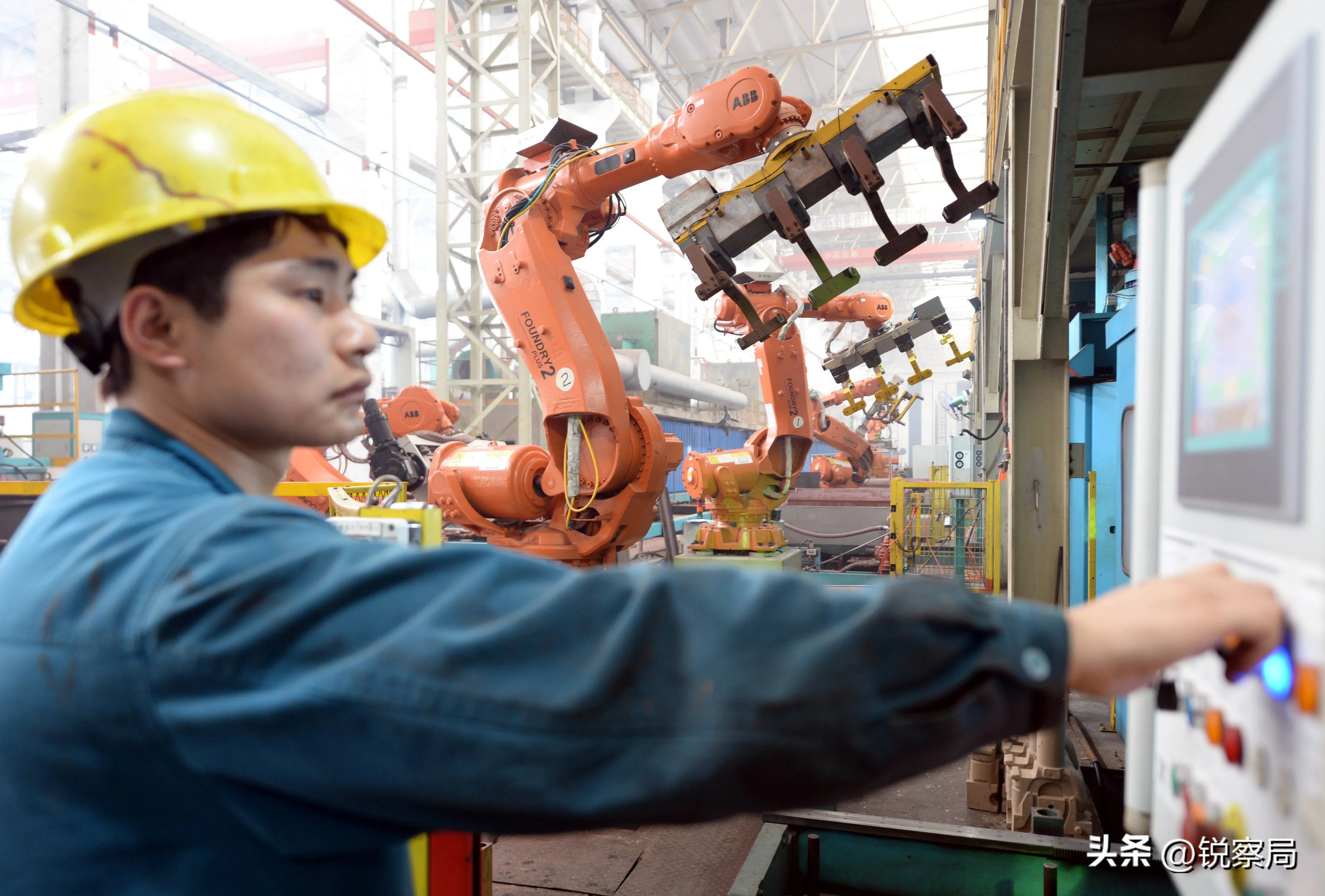
Traditional manufacturing has a large number of low-threshold, high-repetition, standardized basic jobs that do not require employees to possess professional skills or independent thinking abilities; they only need to perform mechanical repetitive actions.
A typical example in manufacturing is the screw fastening position, which represents such jobs. The work is monotonous, with fixed operational processes that do not require complex thinking or judgment, making it entirely suitable for robotic automation.
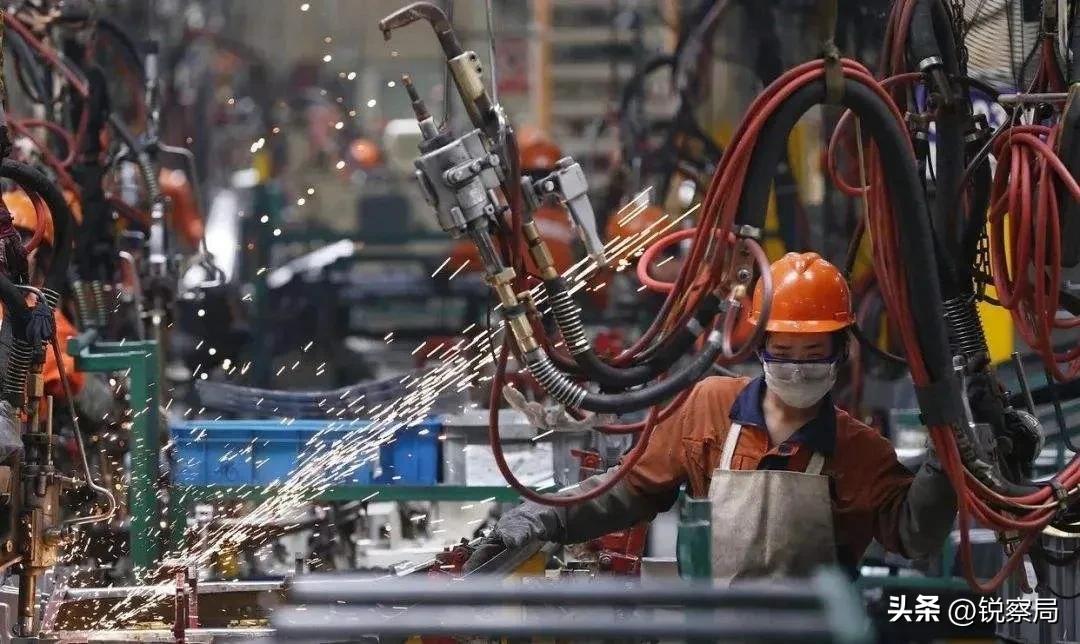
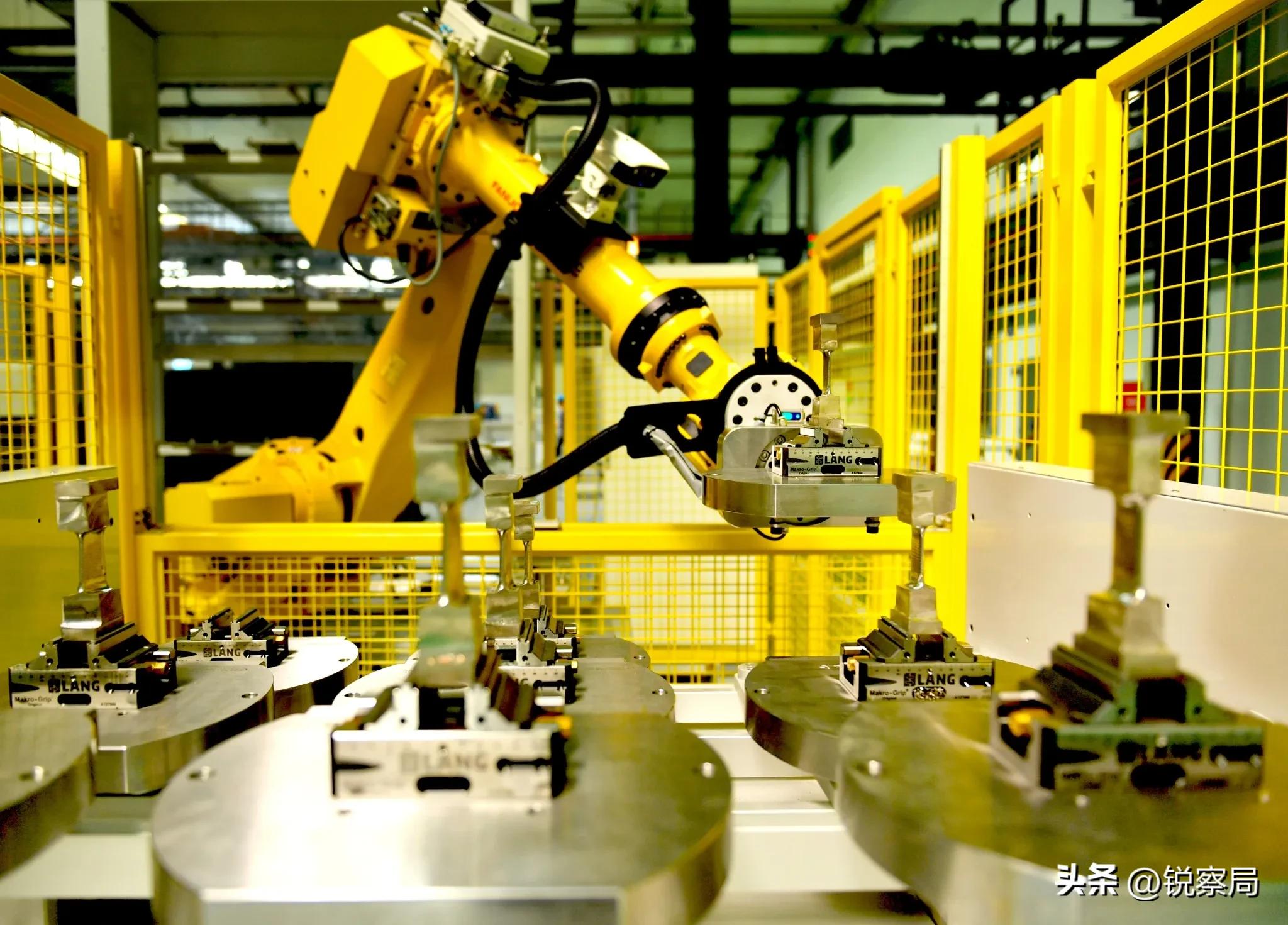
Today, these basic positions have mostly been replaced by high-precision, high-efficiency smart devices. Machine operations are not only faster and more accurate but can also work continuously around the clock, rendering human participation almost negligible. This is the core reason for workforce reductions in companies.
Many people, merely observing the reduction in job numbers, conclude that AI is the greatest threat to the employment market, overlooking the deeper logic of job iteration and skill upgrading behind industrial upgrading.

Moving Beyond Simple Layoff Mentality: Companies Must Focus on Employee Development
In response to the job changes brought about by intelligent transformation, many companies adopt a rather crude approach. Once traditional manual jobs are replaced by machines, they often resort to straightforward layoffs, discarding employees who fit traditional roles. This is a key reason for the ongoing increase in public employment anxiety.
Many companies focus solely on short-term labor cost advantages, neglecting the hidden value of long-term employees. Blind layoffs only lead to talent gaps and resource wastage. From the perspective of long-term corporate development, indiscriminate layoffs are the most shortsighted choice.
Long-term employees, accumulated over years, are core resources for a company’s sustained growth. They are familiar with production processes, operational models, product standards, and team rhythms, possessing a sense of belonging and loyalty to the company that is far more valuable than hiring and training new employees from scratch.
For those willing to stay with the company, actively learn, and adapt to the new development pace, companies should take on the responsibility of nurturing them, establishing clear pathways for their transformation and growth, rather than abandoning these seasoned employees.
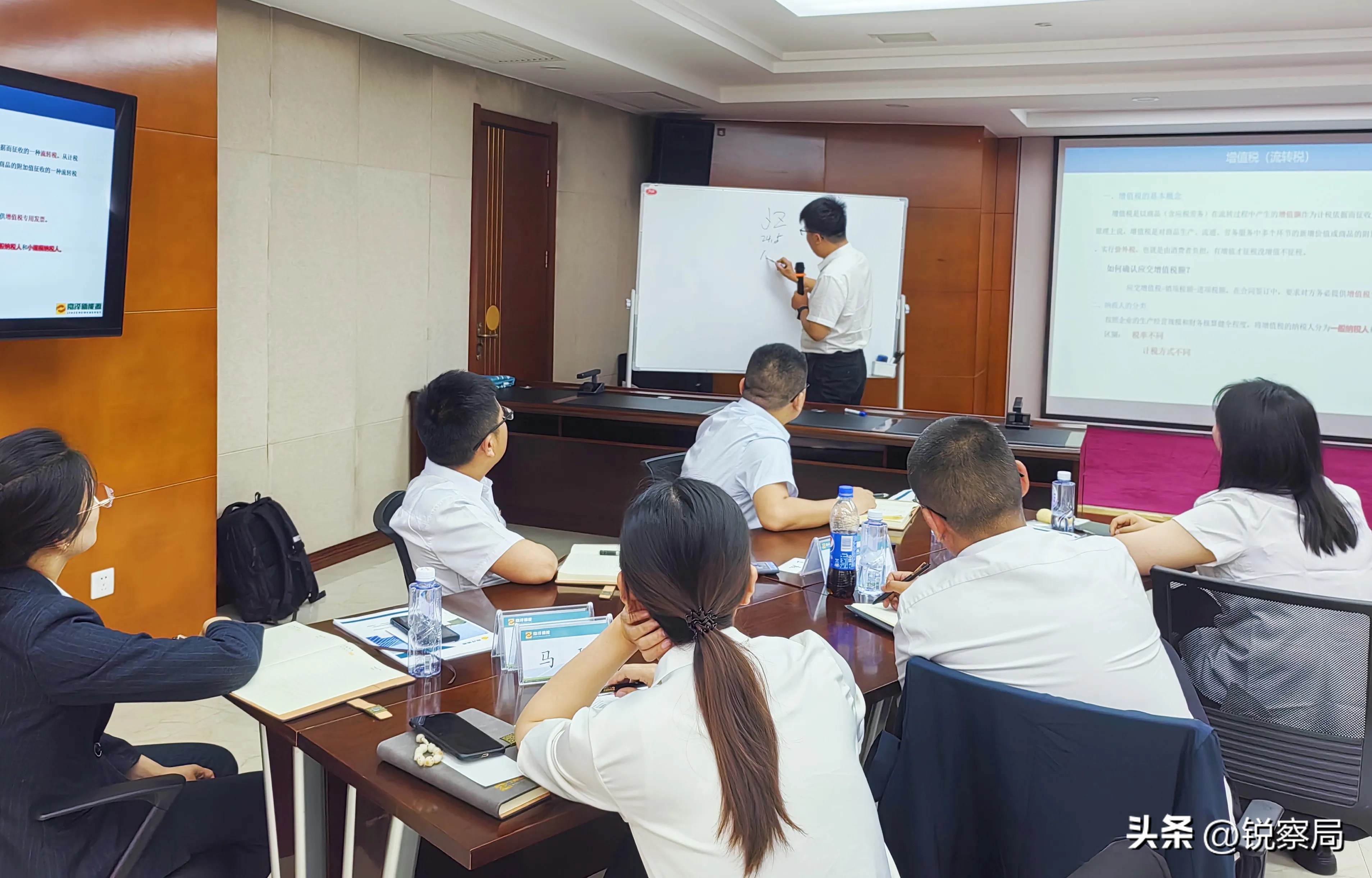
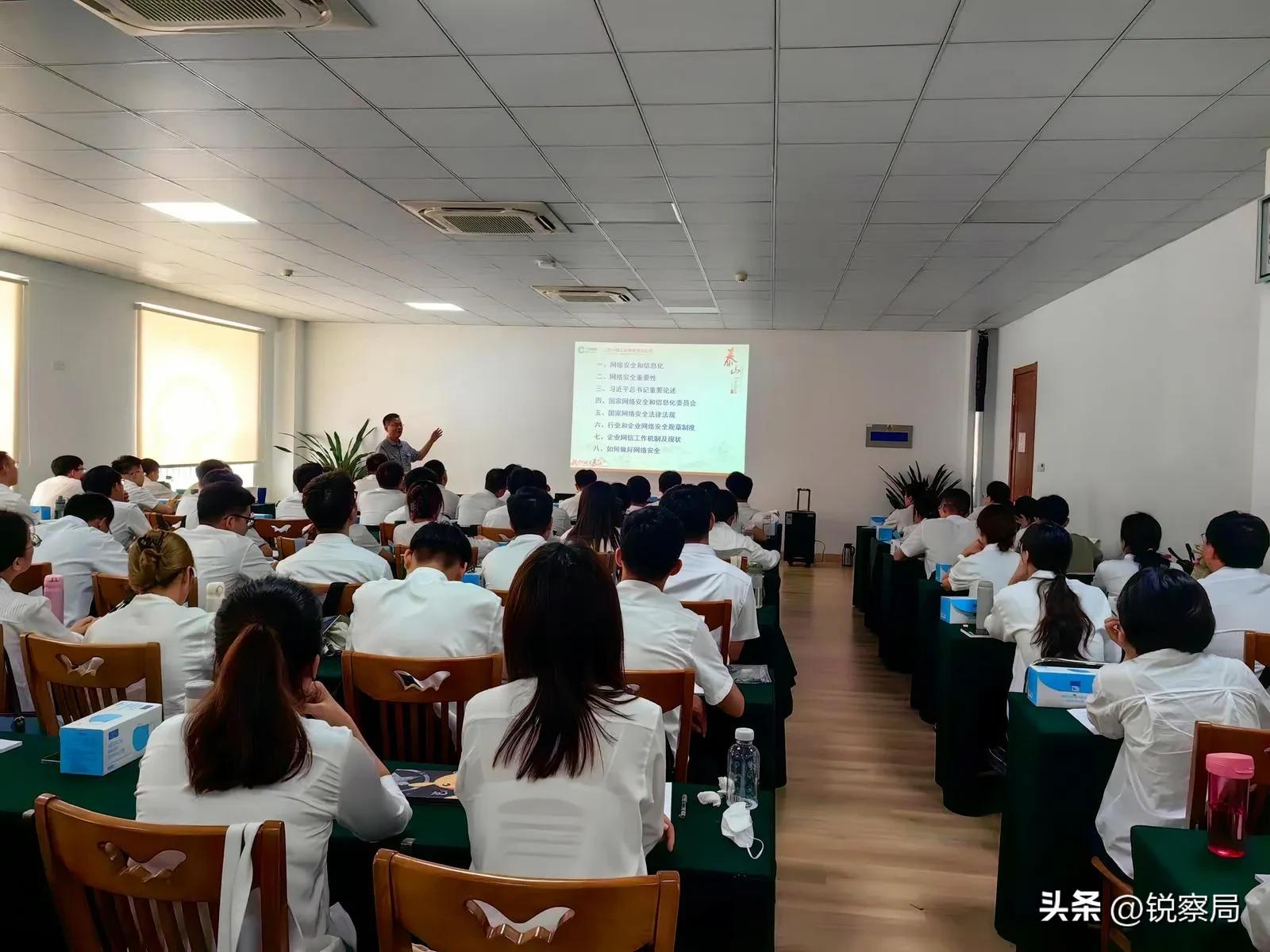
Companies can develop a systematic training system tailored to their intelligent production needs, providing targeted skill teaching, practical job training, and advanced thinking cultivation to help these grassroots employees break free from the confines of basic operational work.
After professional training and practical exercises, seasoned employees can successfully transition into grassroots managers within the intelligent production system, primarily responsible for daily operation and maintenance of smart devices, supervising production processes, and coordinating the training of new employees.

This transformation model not only revitalizes the existing talent resources accumulated over the years but also avoids the talent loss caused by layoffs, effectively addressing the industry’s challenges of a shortage of grassroots management talent and slow adaptation of newcomers in intelligent production, achieving a win-win for both corporate development and employee growth.

Adapting to the Era of Development Requires Multi-Level Collaborative Consideration
AI is fundamentally restructuring employment, and this trend is irreversible. The issues arising from employee adaptation and job transformation during this industrial upgrade cannot be resolved solely by individual companies.
What companies can do is to focus on their production development needs and actively implement internal employee training and transformation efforts, providing stable growth opportunities and job transition chances for employees willing to grow, minimizing the direct impact of intelligent transformation on ordinary employees’ employment, and reducing talent waste and employment conflicts.
However, from the perspective of the overall social employment environment, not only in manufacturing but also in various traditional industries, grassroots laborers are facing the challenges of job iteration and skill obsolescence. Adjustments within a single company can only cover a very small range of workers.
To enable society as a whole to adapt smoothly to the industrial changes brought about by artificial intelligence and help more ordinary laborers escape unemployment anxiety and avoid being eliminated by the times, comprehensive consideration and systematic planning are required.
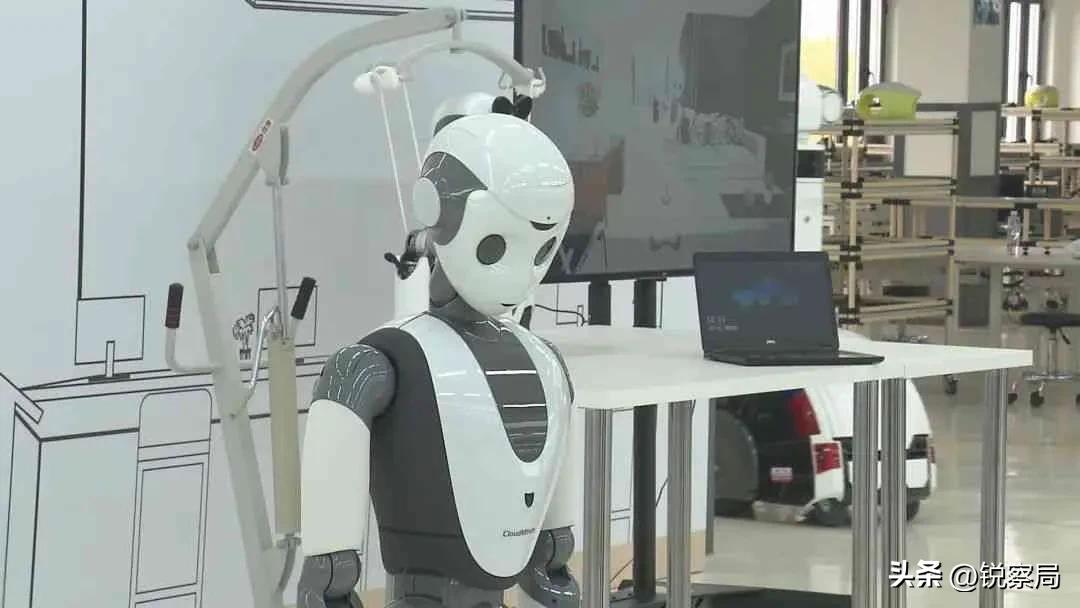
Focusing on skill enhancement for ordinary laborers, adapting traditional job transitions, and nurturing talent for new intelligent positions across multiple core dimensions will help build a complete talent growth system suitable for the intelligent era, fundamentally alleviating the deep-rooted employment anxiety of the public.

Conclusion
Ultimately, artificial intelligence has never been the adversary of public employment. What truly eliminates jobs are outdated work mindsets and stagnant personal capabilities.
Machines precisely replace only mechanical, repetitive, low-value basic work, not the laborers themselves. Laborers who maintain a learning mindset and possess the ability to grow continuously will never be eliminated in the intelligent era.
By adhering to a long-term development strategy that focuses on nurturing and retaining talent, along with a comprehensive talent adaptation layout, companies can make intelligent transformation a core driving force for industrial upgrading, allowing every ordinary laborer to find new career directions and achieve personal value upgrades amidst the changes of the times.
Comments
Discussion is powered by Giscus (GitHub Discussions). Add
repo,repoID,category, andcategoryIDunder[params.comments.giscus]inhugo.tomlusing the values from the Giscus setup tool.